

MDA’s Next Generation of First Responders Train to Save Lives Under Extreme Conditions
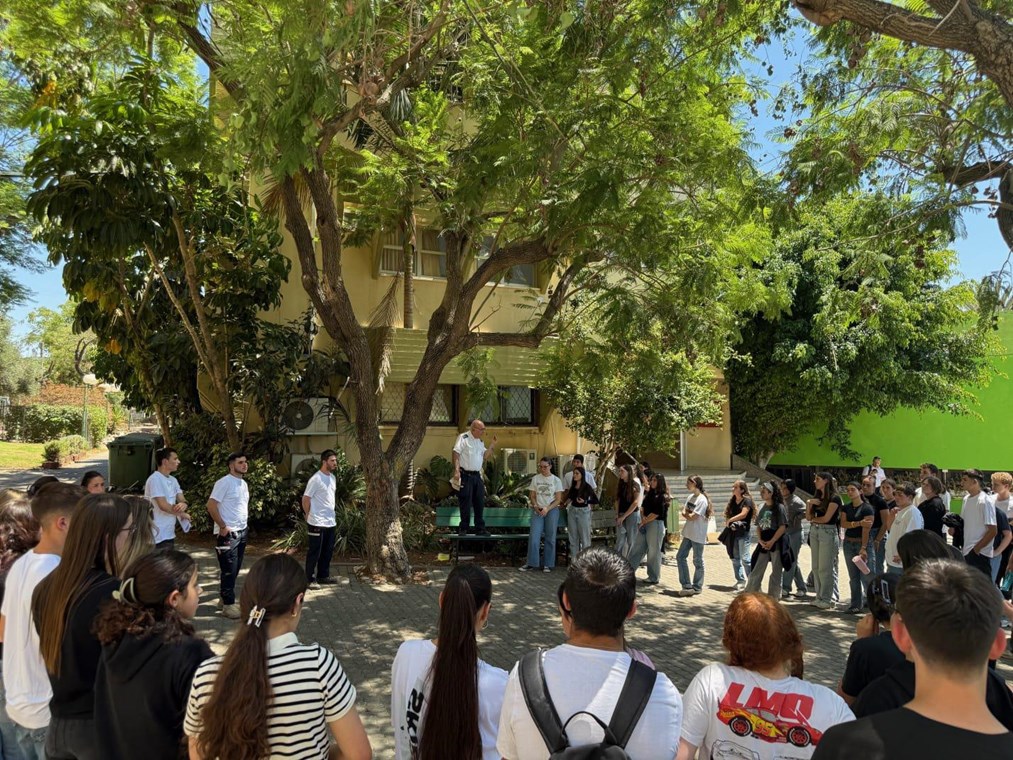
Unique drill teaches teens lifesaving techniques without relying on standard medical equipment. Last week, 234 youth volunteers from Magen David Adom’s national instructor course took part in a special training drill, where they learned how to deliver lifesaving care using improvised materials in disaster scenarios
Volunteers from six regional divisions took part in the drills, with another 260 expected to join from five additional regions next week.
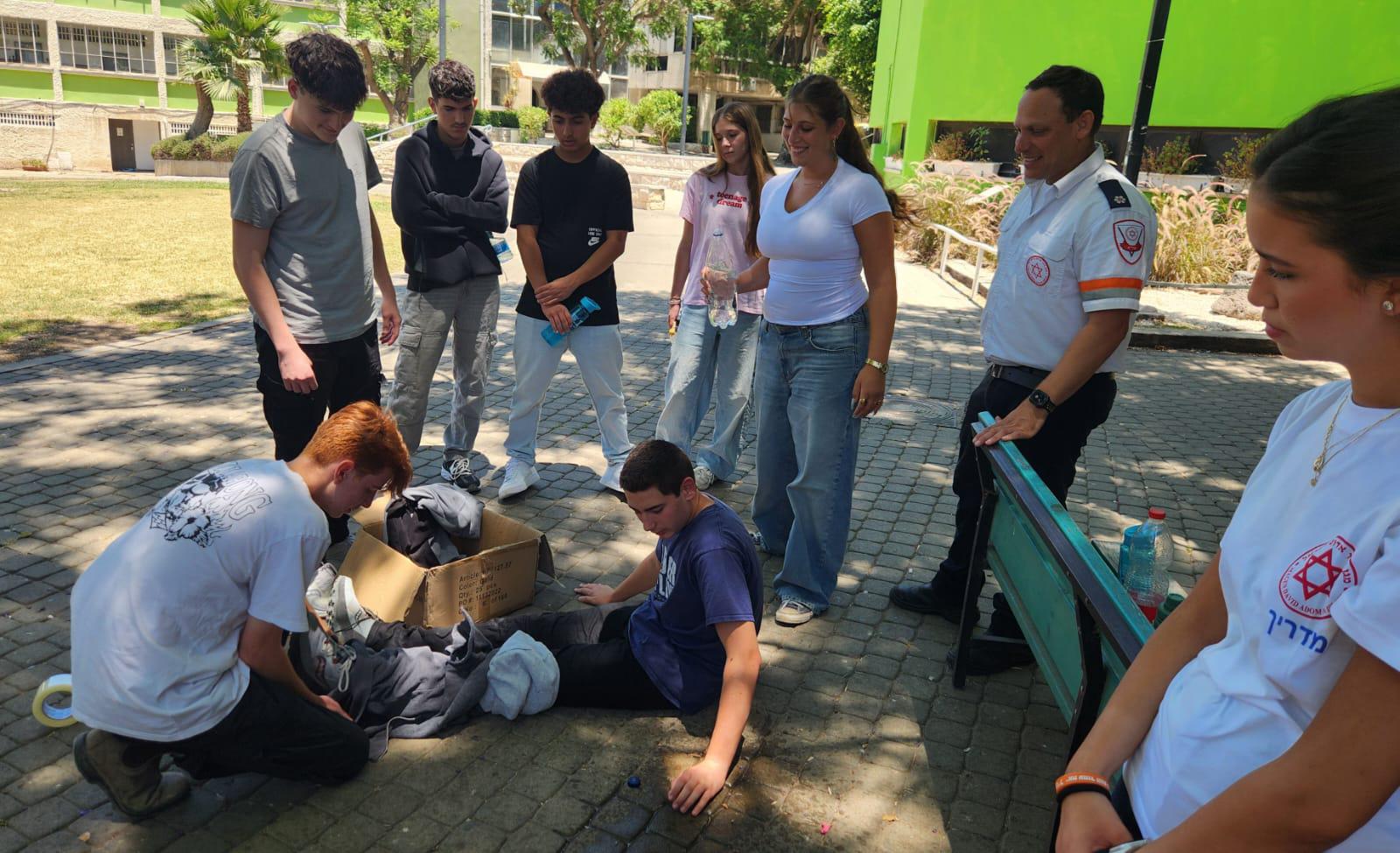
Led by MDA staff and volunteers certified by the Red Cross’s National Disaster Response Team (NDRT), the youth volunteers were taught how to respond to incidents caused by natural disasters, missile strikes, and other mass-casualty incidents, without standard medical equipment. Groups practiced blood loss and airway management, burn treatment, and stabilization techniques using everyday items like cloth, sticks, and materials found in the field.
“The drill prepared us for a mass casualty event, like a missile strike, where we would be giving first aid without our usual gear in the middle of chaos and panic,” said Alexandra Antonyan, a 16-year-old participant from Ramat Gan “Instructors taught us gear improvisation techniques and how to stay calm, yet act quickly, until help arrives,” added Yonathan Shemesh, a youth volunteer from Tel Aviv
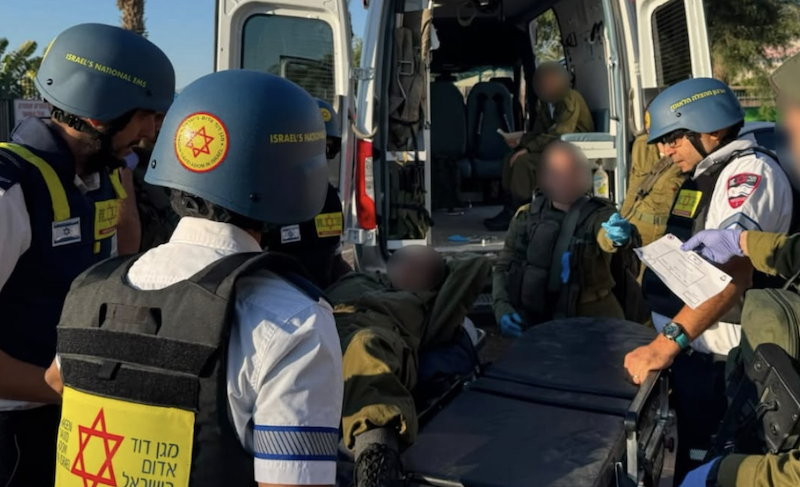
Shemi Waldman, Deputy Director of the MDA Youth Instructor Course and Head of Training Content, said the goal of the training is to ensure responders are ready for any situation. “We saw that during the most recent attacks on civilian areas by Iran that MDA volunteers were often already treating casualties before ambulances arrived at the scene. These drills aim to ensure the next generation of MDA leaders can step up when it matters most and to prepare our youth for events where help may be delayed.”
Training exercises and preparedness drills are an essential part of Magen David Adom’s national preparedness strategy, ensuring staff and volunteers can provide professional and effective care even in the most challenging of conditions.