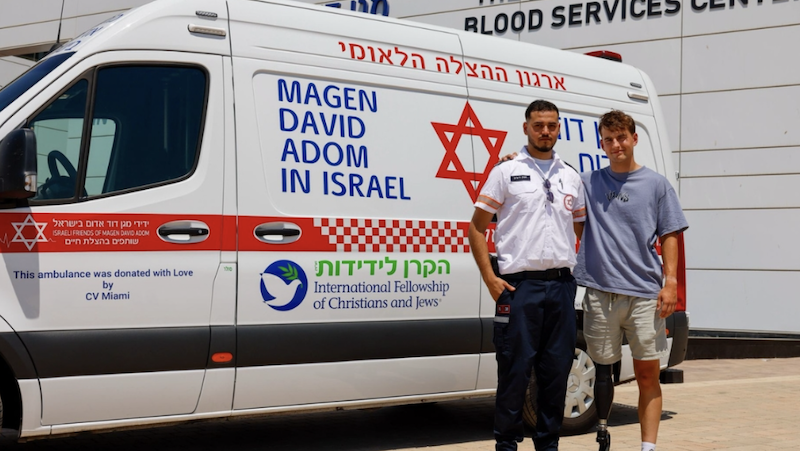



Two Brothers, One Mission: Saving Lives with MDA
When rocket sirens echo across Israel, people run for shelter.
For two brothers from the city of Tamra, the sirens have a different meaning. When a siren sounds, it means that somewhere nearby, someone may need help, and they will be the ones racing to save them.
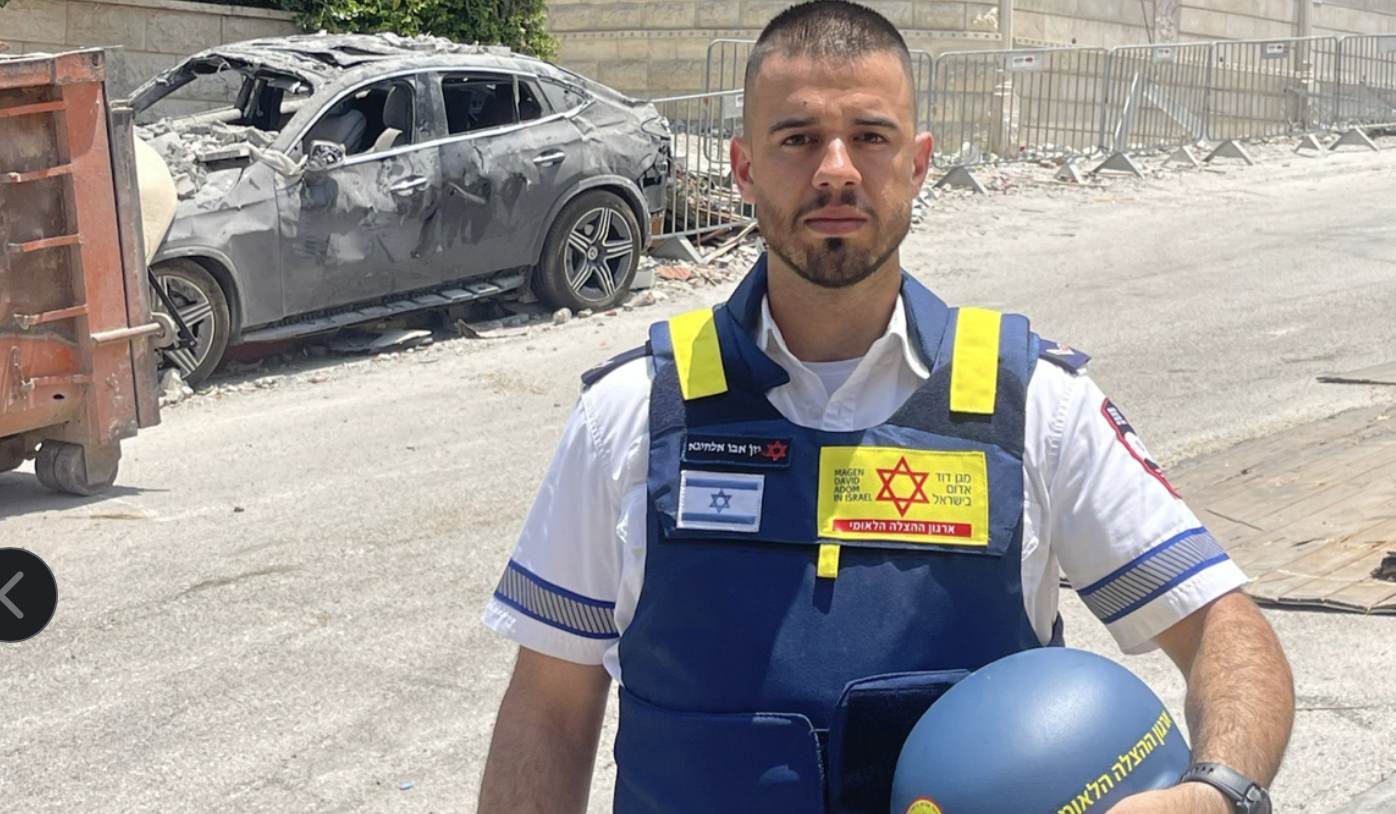
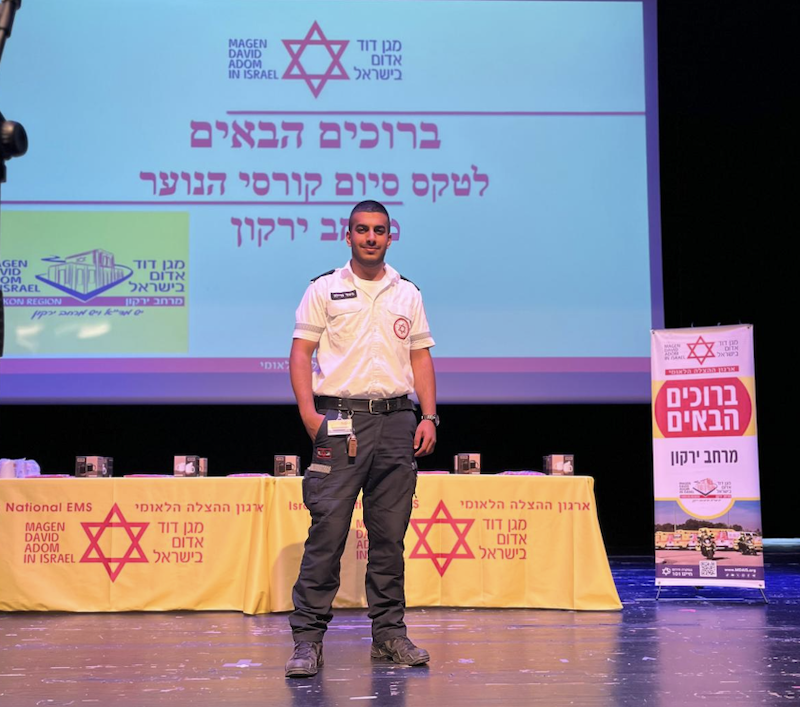
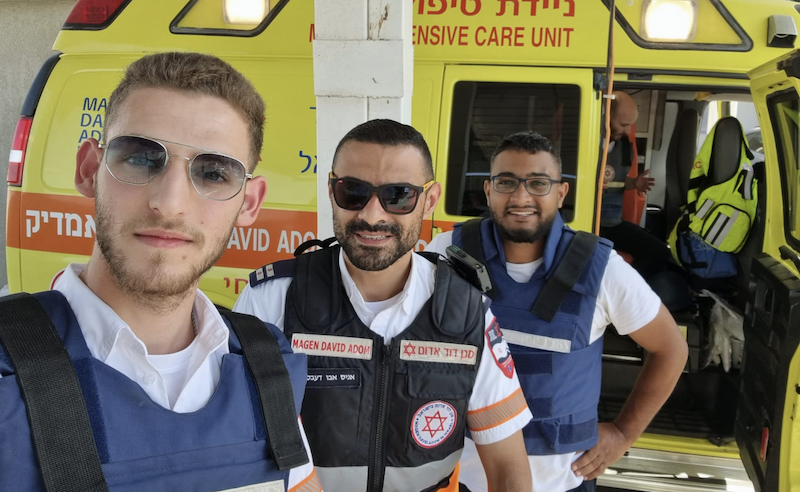
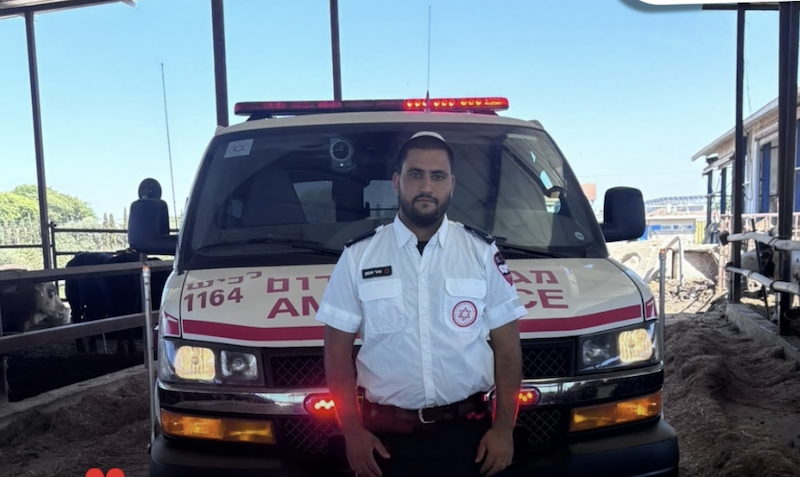
Yzan and Anas Abu Al-Hija both serve with Magen David Adom. Side by side in the field, the brothers share more than a profession. They share a calling: saving lives, even when surrounded by danger.
Yzan, a senior EMT and ambulance driver who has been volunteering with MDA for eight years, is also a second-year nursing student. His younger brother Anas has been serving as a paramedic for almost six years and has already responded to hundreds of calls. But there is one they received on March 8, 2026, that neither of them will ever forget.
Earlier that day, the brothers had been evacuating a patient to Rambam Hospital in Haifa, northern Israel. While they were returning to the station, the sirens began sounding.
Following the instructions of the Home Front Command, they quickly entered the nearest sheltered place and waited for instructions to exit.
But as soon as the sirens fell silent, they received a call from MDA’s National Emergency Dispatch Center: there had been a severe motorcycle crash nearby, in Kiryat Motzkin. A young man was in critical condition.
Within seconds, the brothers were already heading to the scene. “When we arrived, we saw a young man lying on the road next to his completely destroyed motorcycle,” Anas recalls. “His helmet had been thrown several meters away; he was bleeding profusely and had sustained severe head injuries.”
Witnesses explained that the rider had seemed to lose control of his vehicle as soon as the siren warning from a rocket attack sounded, while trying to reach safety. They knew instantly that there was no time to lose.
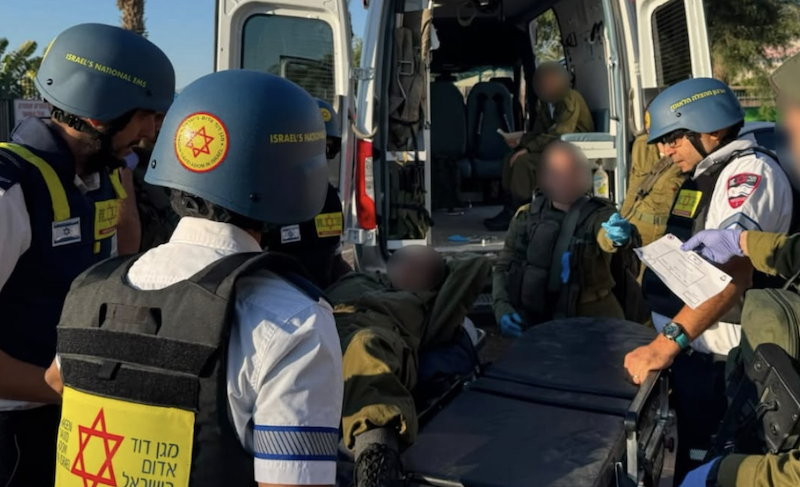
Anas started giving the patient advanced life-saving treatment, while simultaneously Yzan prepared the ambulance and assisted the rest of the team. Working quickly and under pressure, knowing that there was a possibility of further rocket attacks at any moment, they stabilized the young man before evacuating him to Rambam Hospital.
Less than 20 minutes after the accident had almost ended his life, the patient was in the trauma room being prepared for life-saving surgery.
But for Anas, the moment carried a weight that would stay with him long after his shift ended. “Tomorrow, I turn 22,” he said. “According to his father, the patient was the same age as me.” Seeing someone his own age fighting for his life was a sight he would never forget.
“But in those moments,” Anas explains, “you don’t think about yourself. You focus on what needs to be done. The patient needs help, and you act.”
At their young age, the brothers are no strangers to the harsh reality of emergency response during wartime. During the 12-day war, a rocket struck near their home in Tamra, killing four neighbors and friends of the family, including two girls aged 12 and 16. “These things stay with you,” Anas says quietly. “But they also remind you why this work matters.”
For Yzan, responding during the sirens has become a part of the reality of serving as an emergency responder in a country constantly under attack, such as is the case in Israel. “In routine situations, you think only about the patient,” he explains. “But when sirens sound, you also have to think about the safety of your team, while still responding immediately to save a life.”
Still, when the call comes, neither of the brothers hesitates.
All over Israel, more than 36,000 volunteers and 3,200 paramedics and EMTs answer daily emergency calls, sometimes under the most dangerous conditions.
For the Abu Al-Hija brothers, answering the calls together makes the mission carry a deeper meaning. “When someone’s life is on the line,” Anas says, “every second matters.” “And if we can help save them,” Yzan adds, “then every call is worth it.”