


Doctor Reports from Refugee Clinic
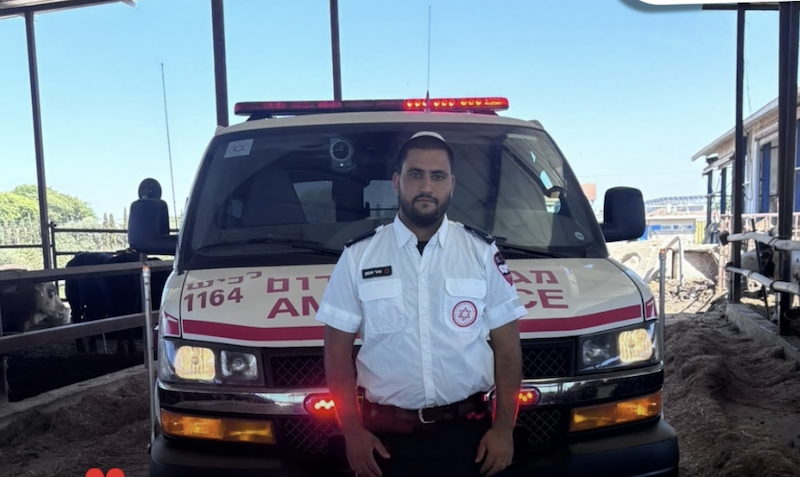
Among the MDA staff operating the field clinic in Kishinev is Dr. Hanan Gefen. As soon as he was offered the opportunity to join a team treating refugees, he grabbed the chance and headed to Moldova.
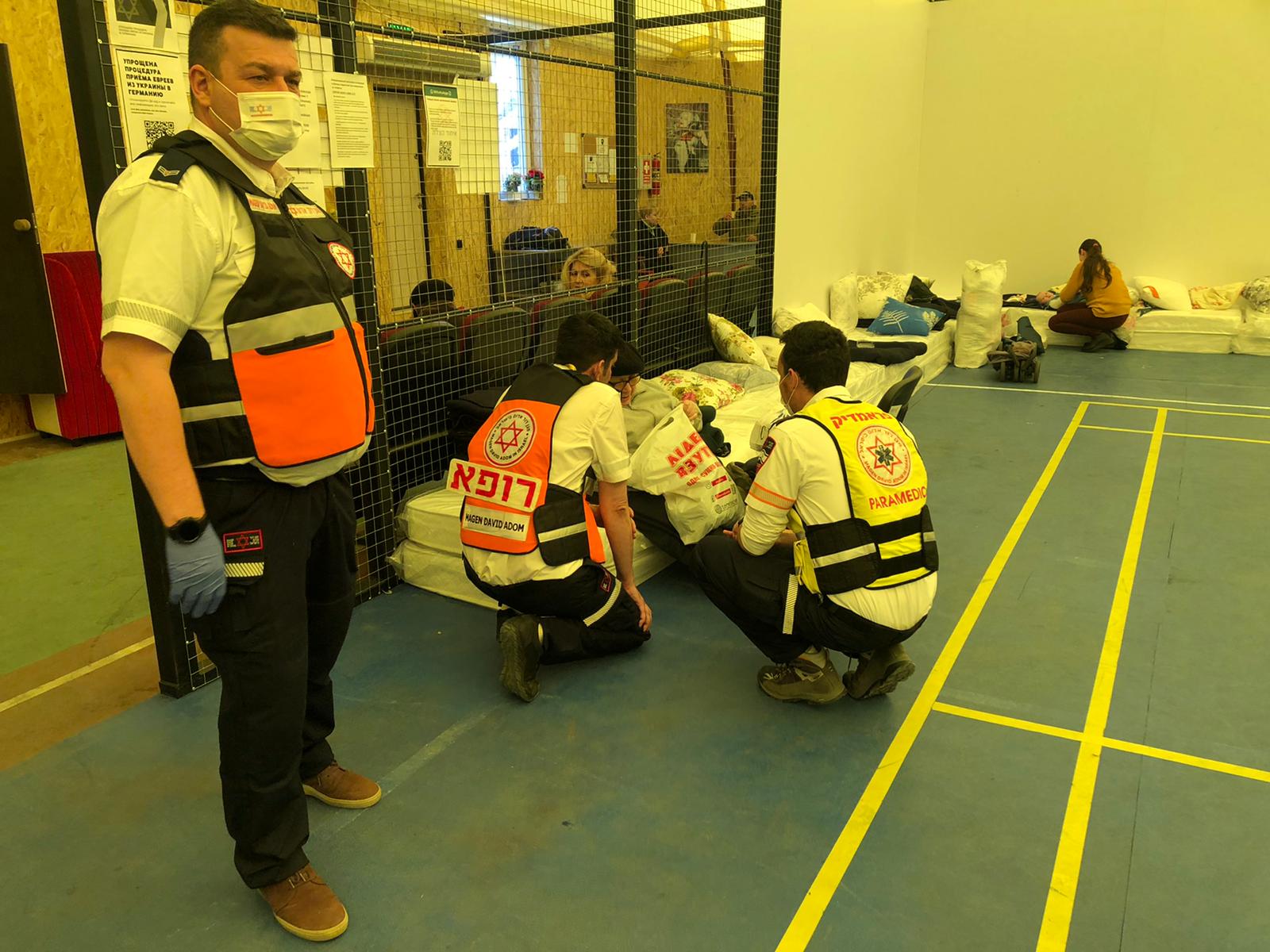
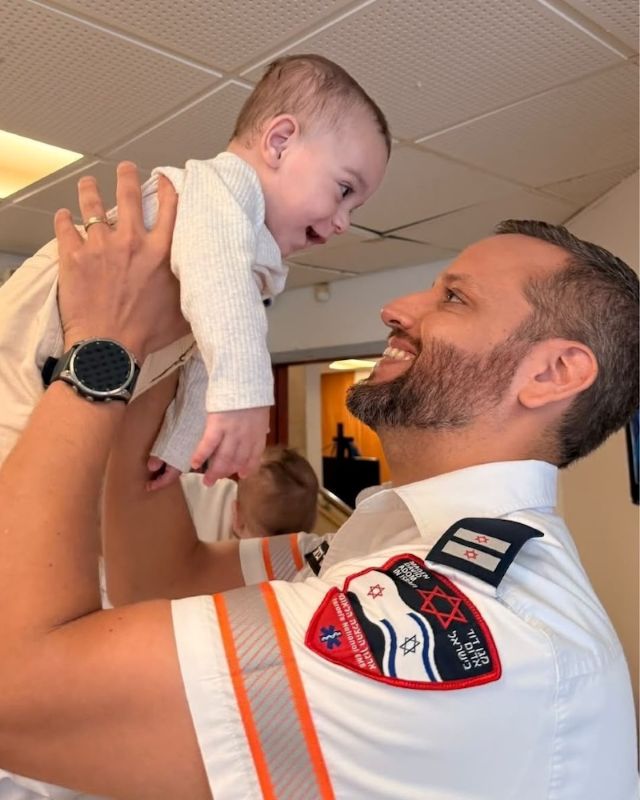
Dr. Hanan Gefen from Haifa is 45 years old and a father of two. He is a doctor in MDA's medical dispatch center. Like many other employees of MDA, he started his way in the organization as a youth volunteer and today serves as a physician.
"When the news about the war in Ukraine broke out, I felt like I had to help in some way, to do something, and have been searching for active ways in which to play my part. When MDA reached out to me and asked me to join the delegation operating a clinic for the refugees at the border, I was very glad and did not have to think twice," says Dr. Gefen.
People arriving here are in need of medical treatment. There are people who require routine treatment for chronic illnesses like high blood pressure, diabetes and heart problems, who suddenly found themselves as refugees, in some cases, on a journey lasting numerous days.
I encounter terrified, desperate, tired and hopeless people. I tell myself it's impossible to imagine what they went through, yet there are times where there is no need to imagine since they tell us themselves. They are stories that the heart is terrified to comprehend, about the war and the cruelty of war. I would prefer to block my ears, but they have the need to share and offload, so I listen.
I found myself writing down experiences and there are so many. Each person arriving here went through their own private destruction.
"There was an 83 year old woman who arrived from Mariupol," he recalls. "Her husband was killed in the bombardment and two of her sons live in Israel. She arrived weeping and confused after a 20-hour ruthless journey, and had a hematoma in her forehead. I tried to understand whether her confusion was caused by an urgent neurological problem, requiring an urgent CT scan, or whether it might be caused by a complex mental health condition and exhaustion. I spoke to her, listened to her. I needed to come to a medical decision, but remembered that my patient is a human being like me. I told her, 'I'm sure that your husband is looking down on you calmly now that he knows that you are in safe hands and that you are on your way to your children.' At that moment the crying stopped, she was less confused, and I realized that there is no need for an urgent intervention – just supervision."
There is no doubt that we provide crucial medical treatment. But the first things we provide are a gentle word, a caring touch and compassion. I see the relief in their eyes and watch as we slowly rebuild trust. It's heartwarming to see.
I've been part of MDA for many years; MDA is my home. I'm so proud that my organization decided to invest resources and time here, and I am very pleased to be a part of it."
"When I told my son I was about to travel, he didn’t say a word, just gave me a big hug; I know he is proud of me."