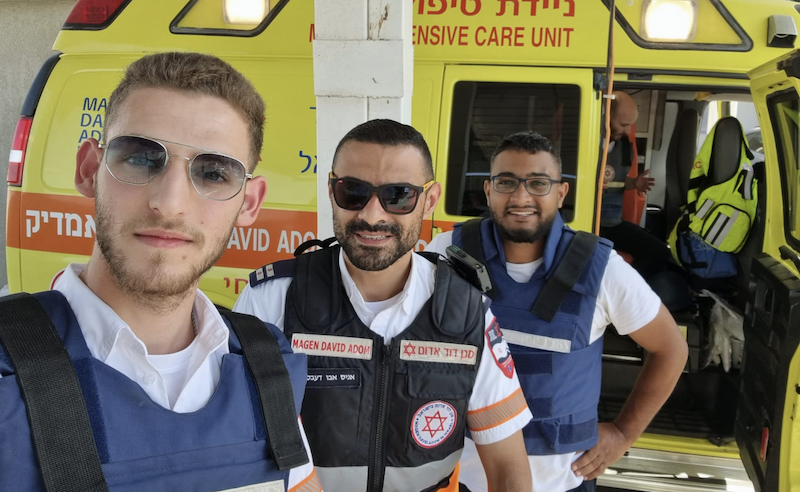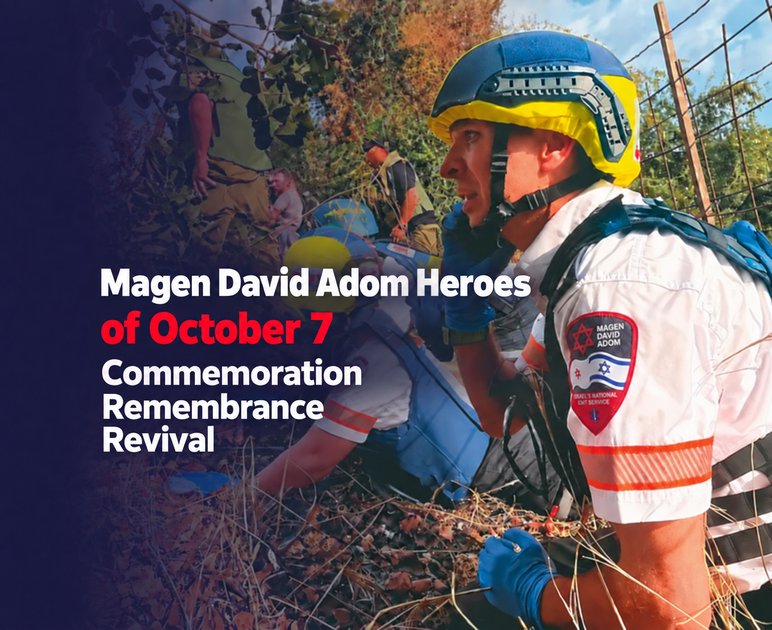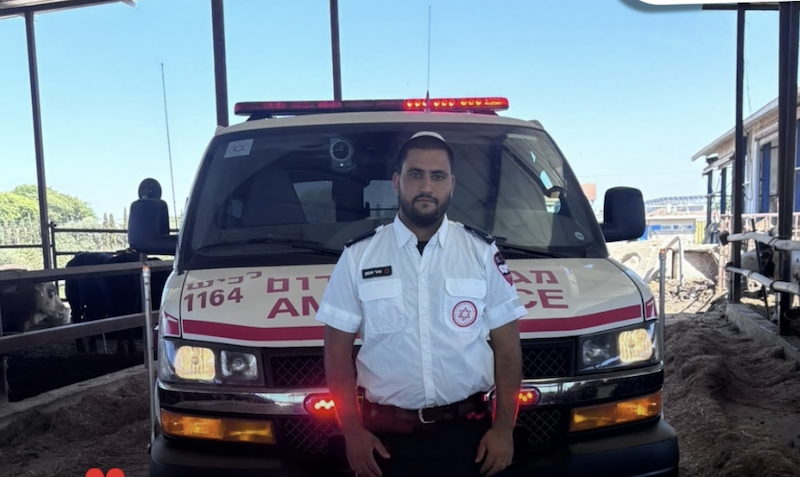



MDA Provides Psychological Support to Meron Response Teams
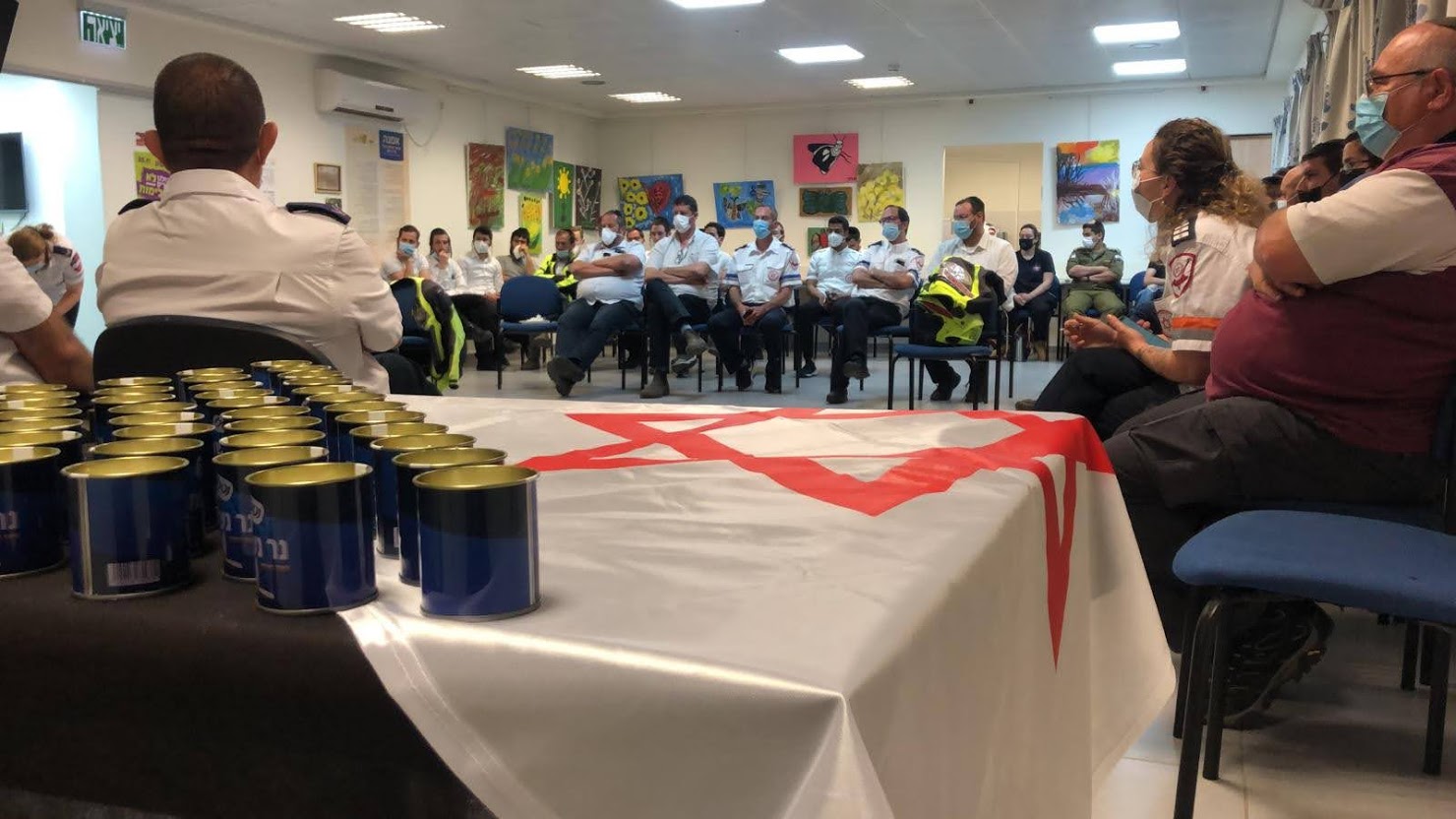
Throughout the day, conversations took place, and updates were received on staff members who showed signs of distress.
At the beginning of the week, conversations in the regions were held with about 200 staff members who spoke about their feelings during and after the event.
From the conversations it emerged that the staff members experienced difficulties in seeing the piles of corpses, the sights of the injured, some of them young, shouting, performing so many resuscitations, and all this while music was still playing in the background that accompanied the revelry.
MDA is implementing the "Resilience" program to respond to staff exposing to injuries and situations that include disturbing appearances - such as in multi-casualty events, resulting in an immediate and prolonged stress response, causing many functional problems.
Processing the event shortly thereafter can prevent the development of these syndromes. A concluding conversation of the medical staff takes place after each significant incident of treatment of the injured and is essential in preserving and improving the personal and team capacity.
Also, proper management of the conversation after a difficult event allows for emotional processing of the experience in a natural and professional way.
All team members who were at the event take part in the conversation.
MDA operates under the guidance of Professor Knobler, a psychiatrist and former head of the IDF's Psychological Health Department.
MDA continues to monitor and accompany the participants in the Meron event.