


“We’re There in People’s Hardest Moments”: MDA EMT Shaked Kadosh Responds to Fatal Missile Strike in Northern Israel
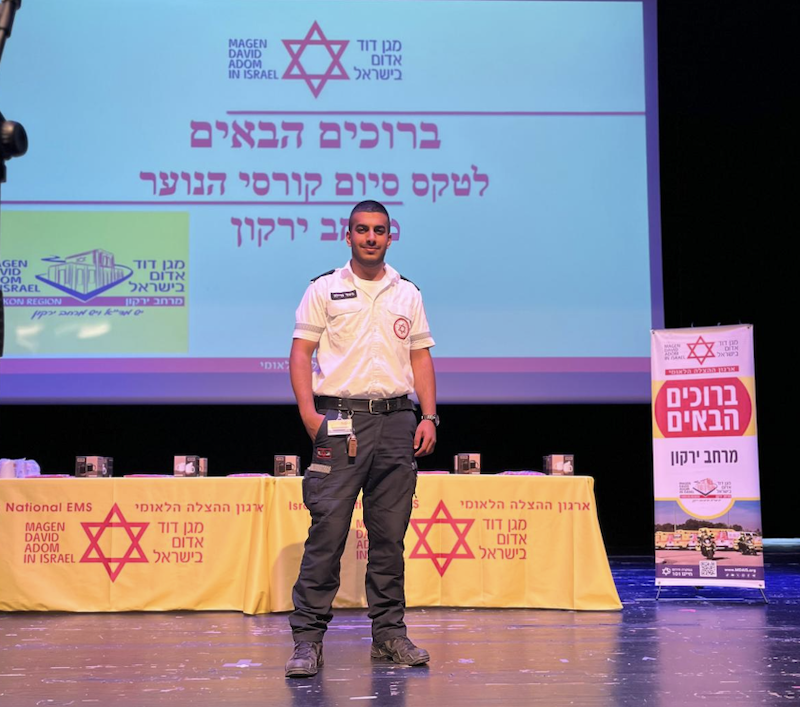
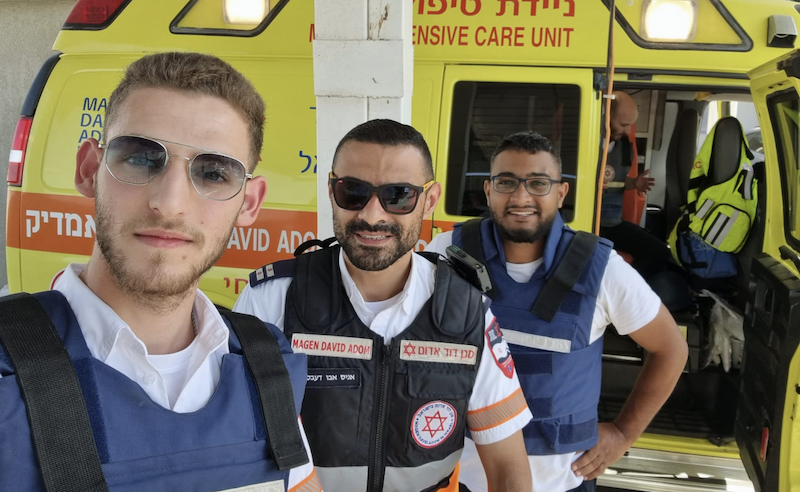
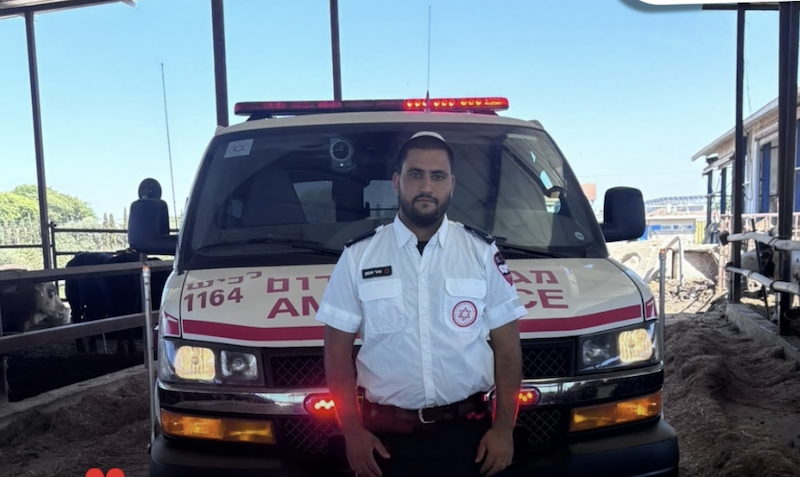
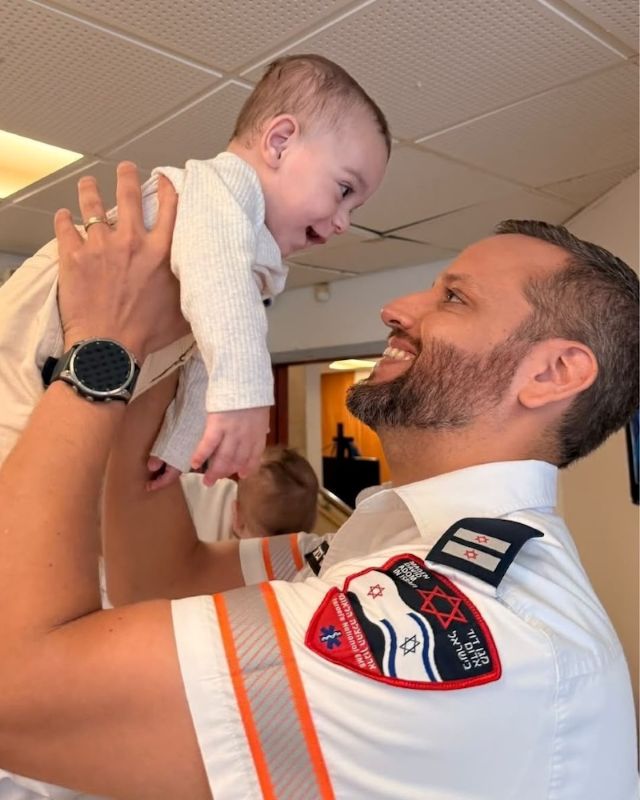
During a recent rocket attack in northern Israel, Magen David Adom EMT Shaked Kadosh (20), originally from Hatzor HaGlilit. He has been volunteering with MDA since the age of 14, responded to a missile impact scene where two people were injured and one woman was tragically pronounced dead at the scene.
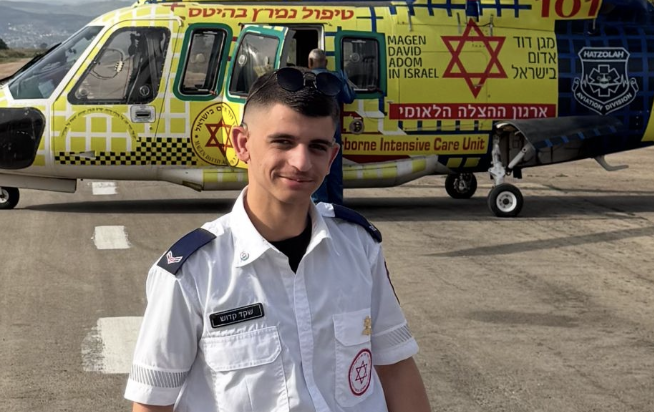
“When we arrived at the scene, we saw a young man in his 20s who had pulled over on the side of the road when the siren sounded,” Kadosh recalled. Just minutes earlier, the man had exited his vehicle, just like many others do when they need to find shelter, and noticed another woman was nearby. “He told us he saw a woman nearby,” Kadosh said. “And then, within seconds… she was just gone.”
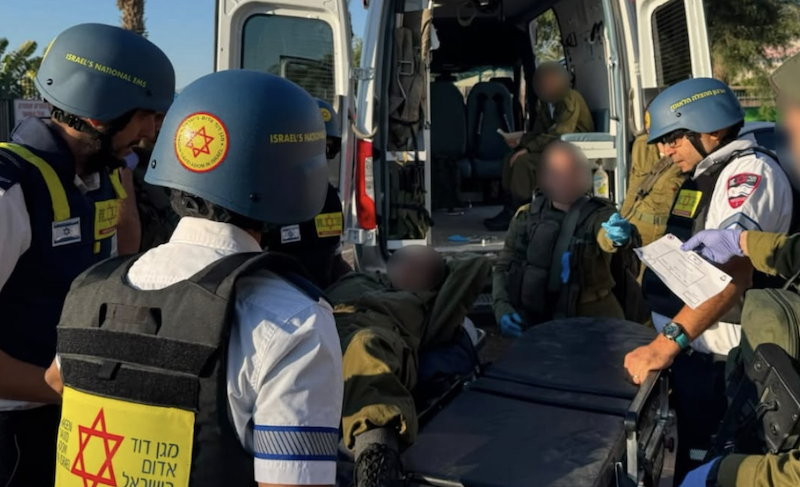
The teams began scanning the area, trying to understand what had happened. “At first, we treated two people who were in light condition and evacuated them to the hospital,” Kadosh said. But the search did not stop.
“Then we found the woman, and unfortunately, she was without signs of life. We had no other choice but to pronounce her dead at the scene.”
Around them, civilians were still gathered, shaken, confused, and unable to process what had just happened. “We made sure to move civilians away and keep the scene as safe as possible,” he explained. “You’re not just treating patients; you’re also trying to prevent the next injury.”
At his young age, Kadosh has already spent six years volunteering in MDA and taken hundreds of calls. But moments like this never become easier to digest. “At the end of the day, we are human too,” he said.
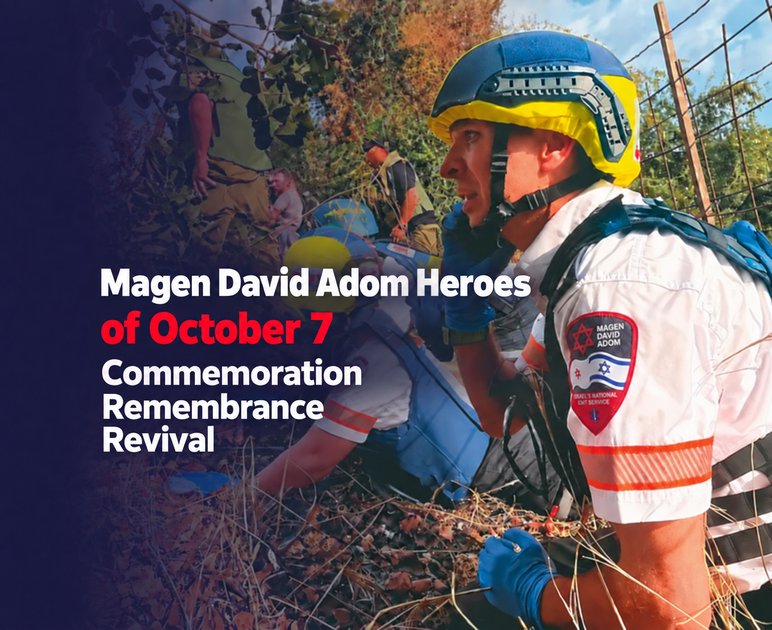
For MDA EMTs and paramedics, working under constant threat, sirens, and missile fire, have become a part of their daily work. This adds another layer of difficulty to the job. “It’s a very tense period,” he said. “There are constant alerts. Missiles. You never know what you’re going to arrive to.”
Regardless, he and his team continue to respond again and again. “There are many sirens and missiles, but we do everything we can to give the best care possible, of course while also following safety instructions and protecting ourselves.”
For Kadosh, the reason why he keeps going is simple. “To save lives,” he said. “To be there for people in their hardest moments, to help them, support them, treat them.”
When everything appears to be falling apart, that’s when MDA arrives. “You meet people at the lowest point of their lives,” he said. “And in that moment, you have to be their lifeline.”