


The Shift That Never Ended
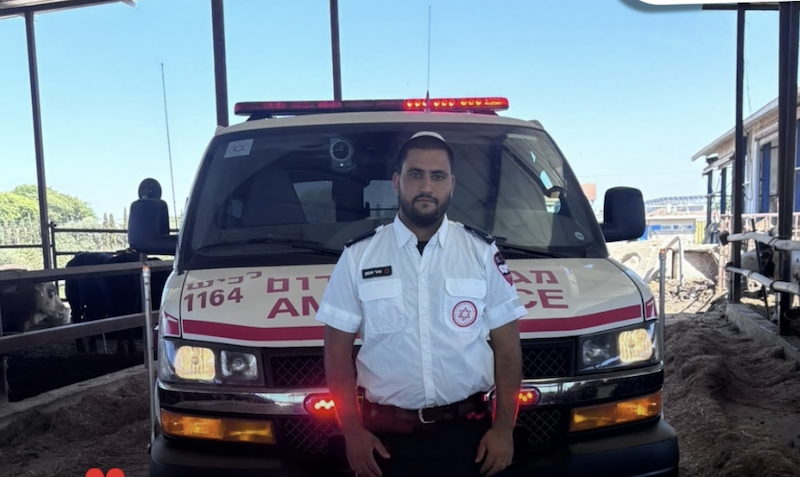
For MDA paramedic Anis Abu Da’bas, October 7 began at the end of a double shift. For his colleague Dvir Ben Zeev, it began hundreds of kilometers away on a family vacation. Neither was supposed to still be working. Within hours, one had been treating casualties for nearly a day, while the other was driving across Israel to take his place. Their story is one of friendship, duty and the MDA teams who simply kept going when Israel needed them most.
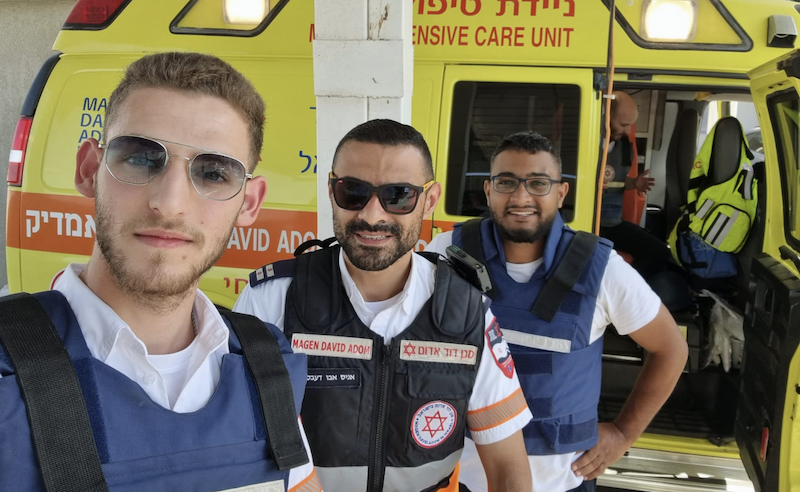
By the time the sirens began on the morning of October 7, MDA paramedic Anis Abu Da’bas and ambulance driver Amin Almalat had already been at MDA’s Rahat station for nearly an entire night.
Their double shift was almost over.Then the alarms sounded.
“They were longer and more intense than usual,” Anis recalled. The teams looked at one another and understood that this was different. Their shift had technically ended, but nobody was leaving.
Minutes later, a minibus pulled up at the station. Its windows were shattered and its body was riddled with bullets. Inside were residents of Rahat who had been traveling to work in communities near Gaza when terrorists opened fire on them.
The MDA teams immediately began treating the wounded. It was the moment, Anis said, when they began to understand the severity of what was unfolding. Soon, reports over the radio became increasingly alarming. An MDA ambulance had come under fire. A crew member had been wounded. Colleagues wearing the same uniform were themselves becoming casualties.
Still, the team continued.
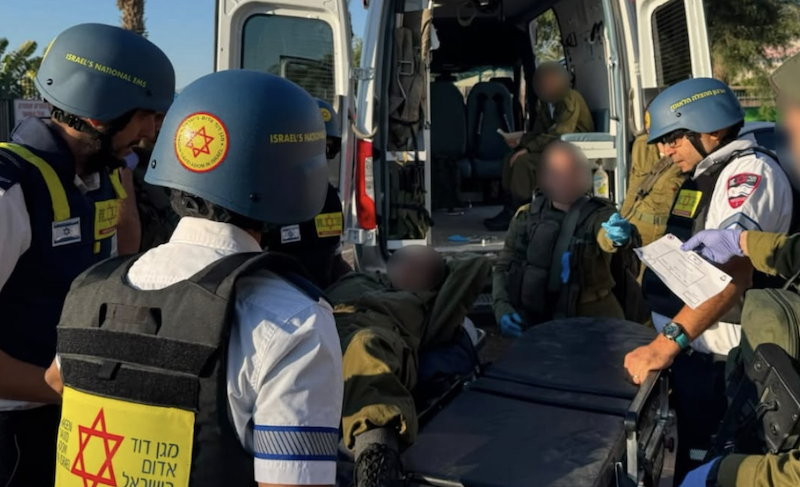
Anis and his crew were sent toward Ofakim, where they treated severely wounded patients, applying tourniquets and performing lifesaving procedures while rockets exploded nearby and gunfire continued around them.
They had already been at the station for more than 17 hours. Then Anis’ phone rang.
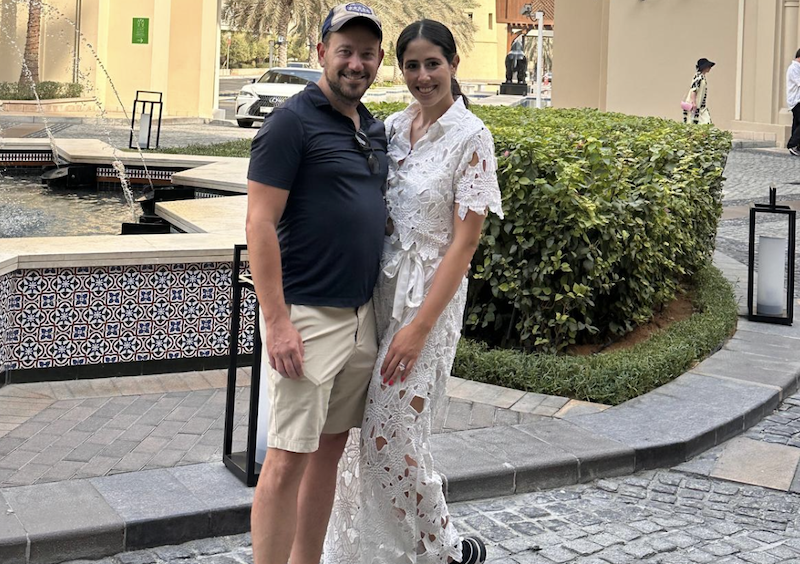
It was fellow MDA paramedic Dvir Ben Zeev, who was on vacation with his family in northern Israel. He had heard reports about what was happening and called to ask about his friend. Anis told him the situation was extremely serious. Dvir’s response was simple: “I’m on my way.” Nobody had ordered him back. He was hundreds of kilometers away. But he drove south to Rahat, arriving after Anis had worked for more than 20 hours, so his colleague could finally rest.
“I felt that sense of shared fate,” Anis recalled. “I felt the support, that someone had my back.”
For Dvir, taking over the shift meant immediately entering the same reality. He was dispatched to the Urim area, where there were dozens of casualties. Later, his team reached a civilian who had suffered a severe gunshot wound to the head. This time, Dvir remembers being afraid. Gunfire was still sounding around them as he sedated and ventilated the patient, administered medications and fought to keep him alive.
“You have to silence the voices of fear,” he recalled, “because your patient needs you.”
Five days later, Dvir received news that the patient had opened his eyes. His own shift had lasted nearly 24 hours.For Dvir, however, one of the few hopeful memories from those hours was the friendship that had brought him there in the first place.
“The people wearing MDA uniforms are my family,” he said. “I will choose to come whenever they need me, no matter where I am.”
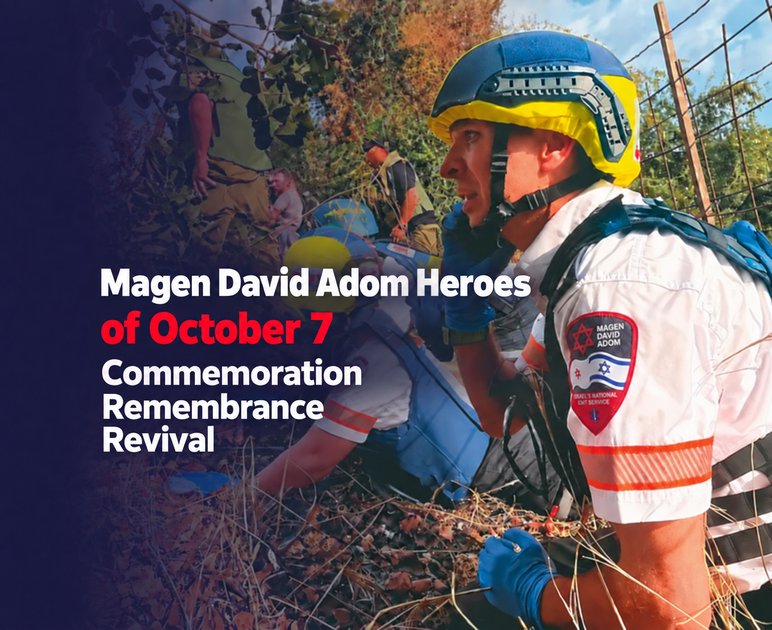
Three years later, the story of Negev Team 245 is one of the personal accounts preserved as part of Magen David Adom Heroes of October 7, alongside stories from employees and volunteers across the organization. The collection represents only a glimpse of the hundreds of MDA men and women who operated that day, many at personal risk.