


RISKPACC_Project
About the Project
Increasingly complex and interconnected risks globally highlight the need to enhance individual and collective disaster resilience. Awareness of risks and levels of preparedness across Europe remain low with gaps between the risk perceptions and actions of citizens, and between the risk perceptions of citizens and Civil Protection Authorities (CPAs). The RiskPACC project seeks to understand further and close this Risk Perception Action Gap (RPAG). Through its dedicated co-creation approach and its seven case studies, RiskPACC will facilitate interaction between citizens and CPAs to jointly identify their needs and develop potential procedural and technical solutions to build enhanced disaster resilience. Importantly, RiskPACC will provide an understanding of disaster resilience from the perspective of citizens and CPAs, identifying resilience building initiatives and good practices led by both citizens (bottom-up) and CPAs (top-down). The “Risk Pack” of solutions will include a framework and methodology to understand and close the RPAG, a repository of international best practice and tooled solutions based on new forms of digital and community-centered data and associated training guidance.
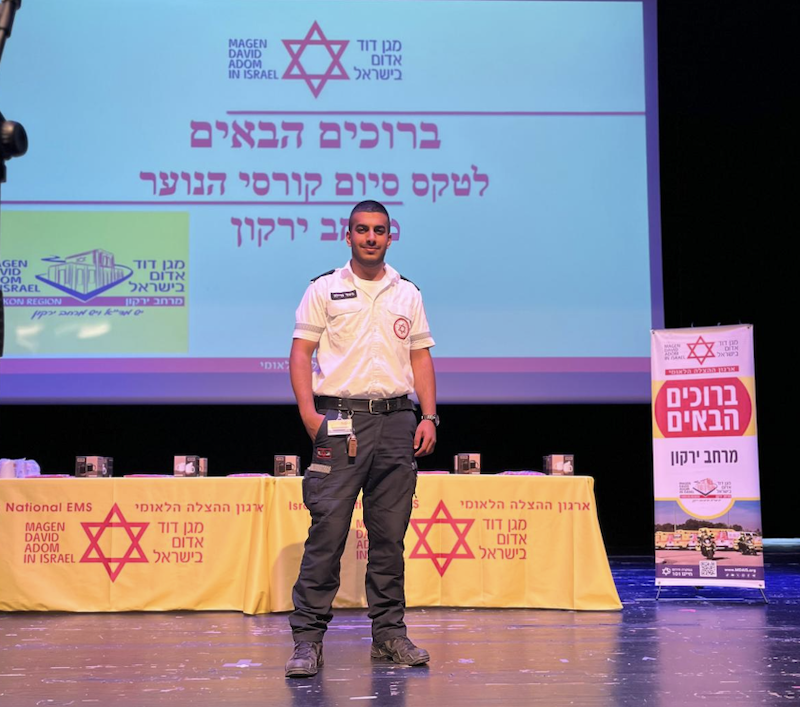
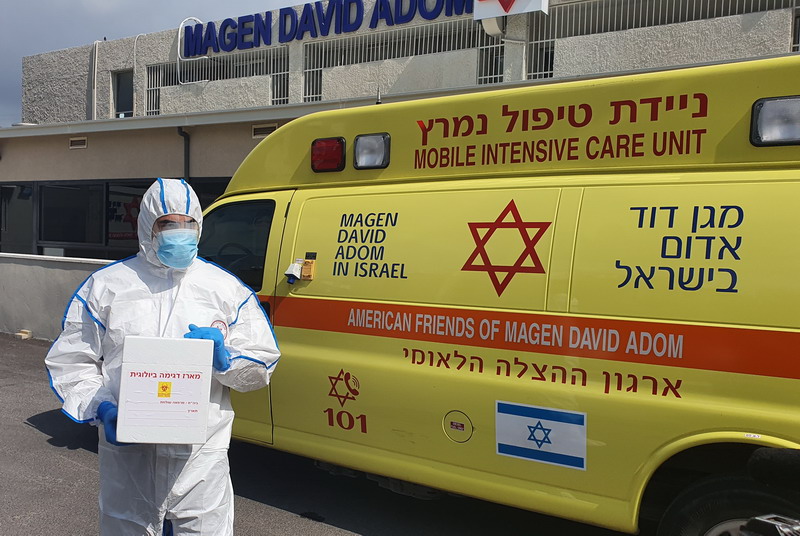
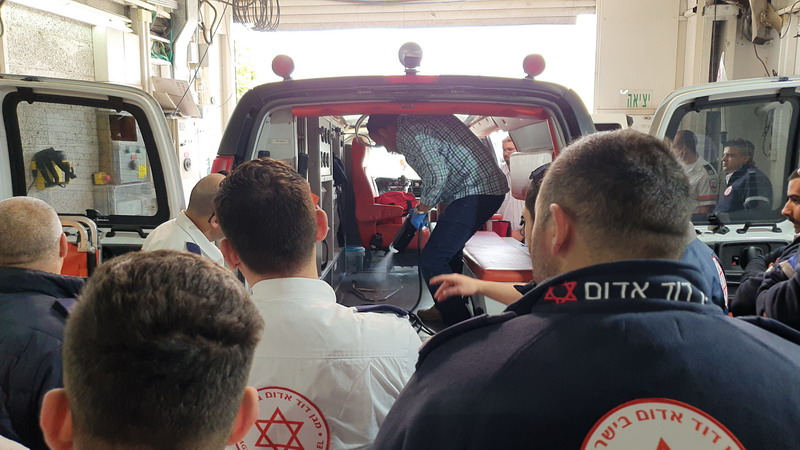
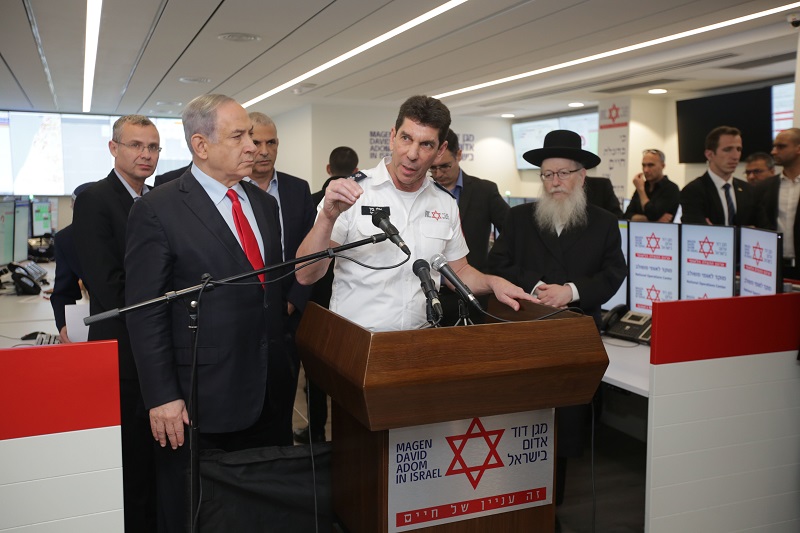
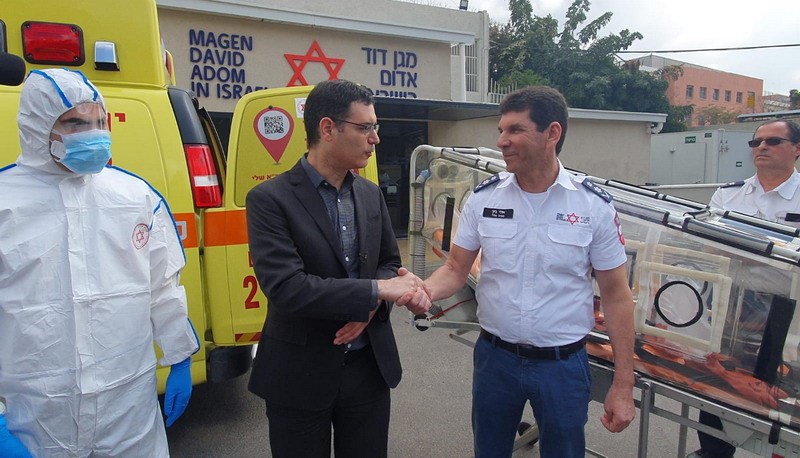
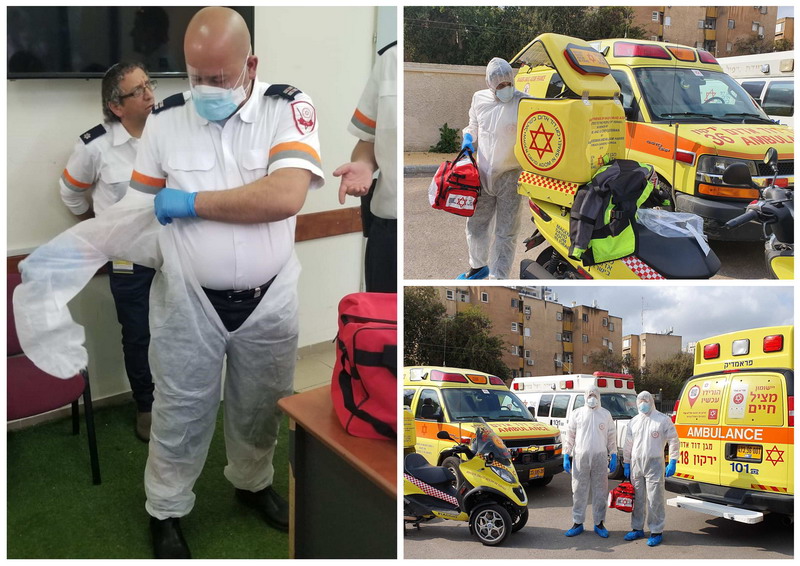
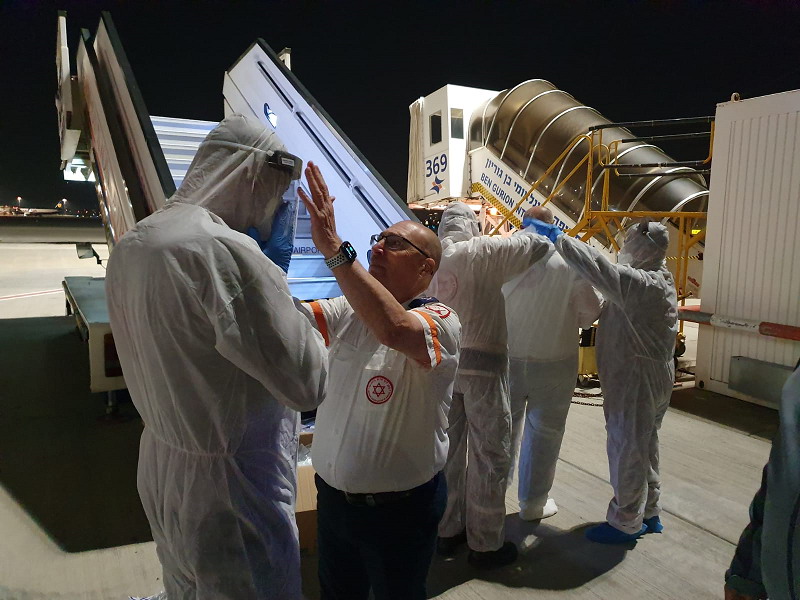
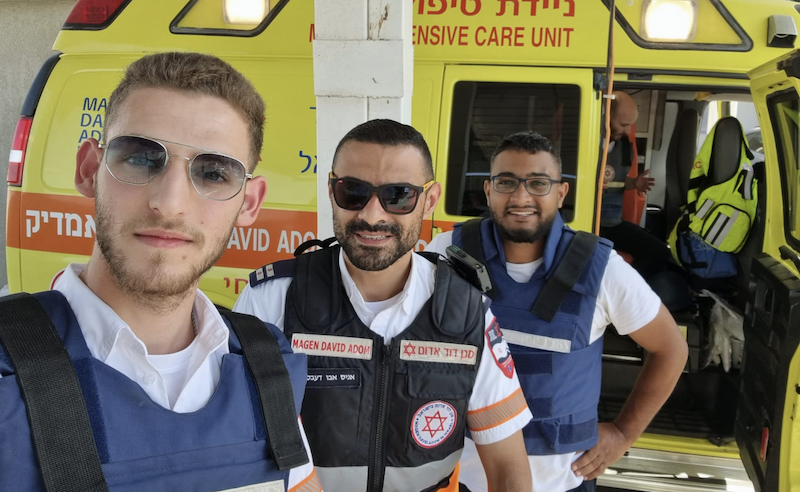
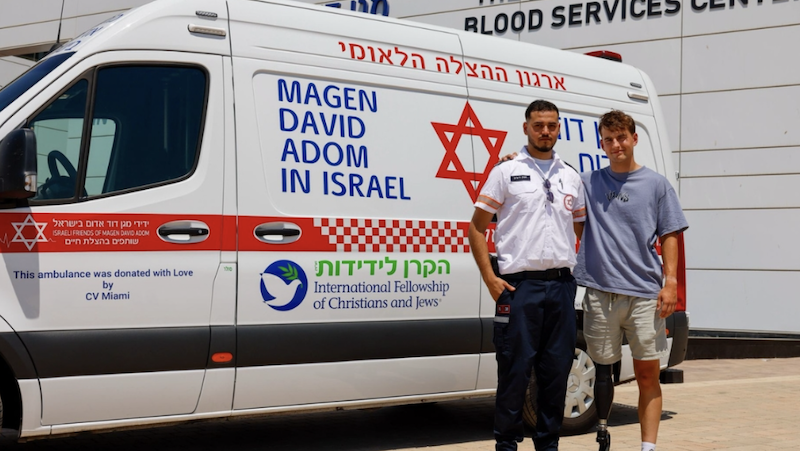
Magen David Adom, together with the Municipality of Eilat, lead the Eilat case study focusing on earthquakes- the city of Eilat is located on the Dead Sea Transform fault system and considered at high risk for earthquakes. The case study sought to analyze and understand the preparedness of volunteers in the Municipality of Eilat and at Magen David Adom, for earthquakes, focusing on the gap between the knowledge about the risk and the actions taken in preparation to it, in a series of workshop in Eilat. MDA also contribute to understanding good practices and challenges in civil protection policies, and to the co-creation lab methodology that was used in the project.