


International Federation Of Red Cross and Red Crescent Societies
The International Federation of Red Cross and Red Crescent Societies is the world's largest humanitarian organization, providing assistance without discrimination as to nationality, race, religious beliefs, class or political opinions. The Federation's mission is to improve the lives of vulnerable people by mobilizing the power of humanity and its work focuses on four core areas.
Promoting the Fundamental Principles of the Movement
and humanitarian values
Red Cross / Red Crescent promotes individual and community humanitarian values which encourage respect for other human beings and a willingness to work together to find solutions to problems. From the seven fundamental principles to the "power of humanity" slogan, the aim is to influence the behaviour of the people with whom the Red Cross / Red Crescent work.
Disaster response
Disaster response continues to represent the largest portion of Federation work, with assistance to around 30 million people annually from refugees to victims of natural disasters.
Disaster preparedness
The sharp increase in the number of natural disasters worldwide in recent years has prompted the Federation to devote more attention to disaster preparedness activities. These aim to make National Societies and communities more aware of the risks they face, how to reduce their vulnerability, and how to cope when disaster strikes.
Health and community care
Too many people die as a result of no access to even the most basic health services and elementary health education. Health and community care has become a cornerstone of humanitarian assistance, and accounts for a large part of Red Cross / Red Crescent spending. Through these programmes, the Federation aims to enable communities to reduce their vulnerability to disease, and prepare for and respond to public health crises.
The International Federation was founded in 1919 in Paris in the aftermath of World War I. The war had shown a need for close cooperation between Red Cross Societies, which, through their humanitarian activities on behalf of prisoners of war and combatants, had attracted millions of volunteers and built a large body of expertise. A devastated Europe could not afford to lose such a resource. An international medical conference in Cannes, initiated by Davison, president of the American Red Cross, resulted in the birth of the League of Red Cross Societies, which was renamed in 1991 to become the International Federation of Red Cross and Red Crescent Societies.
The first objective of the Federation was to improve the health of people in countries that had suffered greatly during the four years of war. Its goals were "to strengthen and unite, for health activities, already-existing Red Cross Societies and to promote the creation of new Societies".
There were five founding member Societies: Britain, France, Italy, Japan and the United States. This number has grown over the years and there are now 181 Member Societies - one in almost every country in the world. The Federation’s first mission was to assist typhus and famine victims in Poland; today it runs more than 80 relief operations a year. It directs and coordinates international assistance of the International Red Cross and Red Crescent Movement to victims of natural and technological disasters, to refugees and in health emergencies. It acts as the official representative of its member societies in the international field. It promotes cooperation between national societies, and works to strengthen their capacity to carry out effective disaster preparedness, health and social programmes.
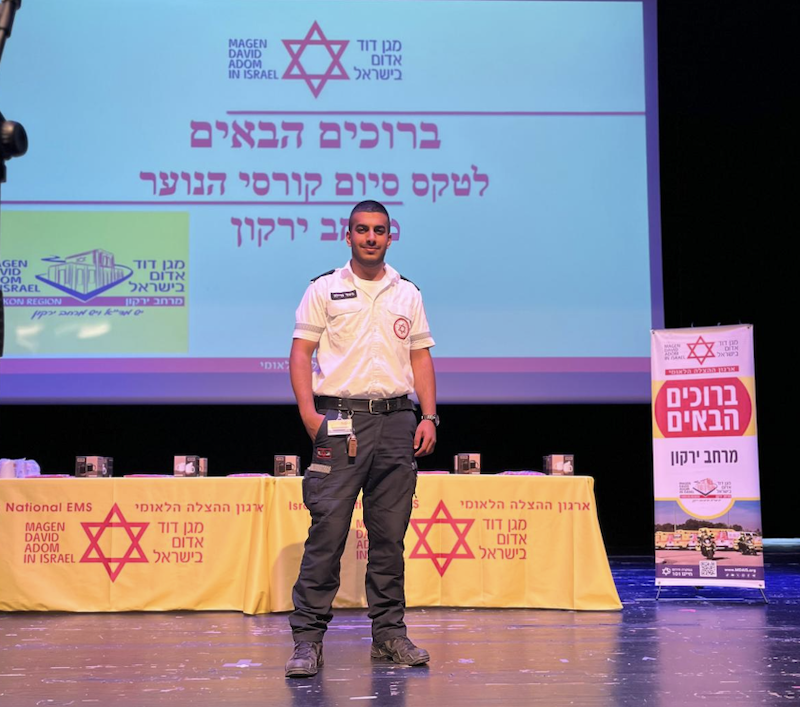
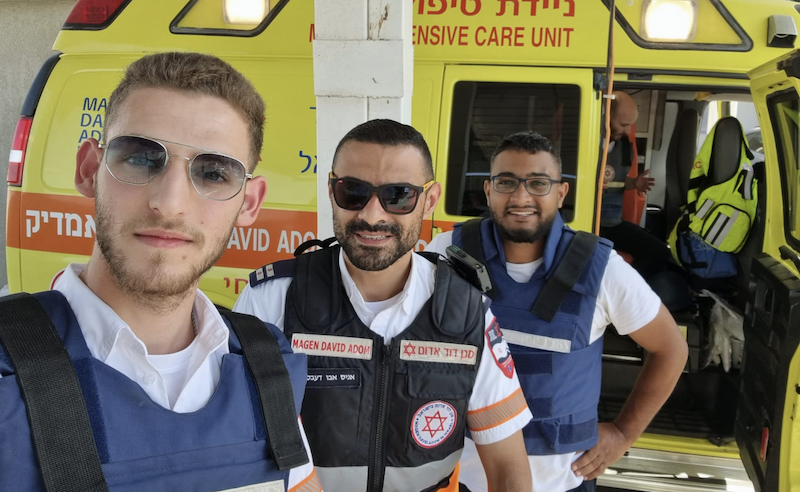
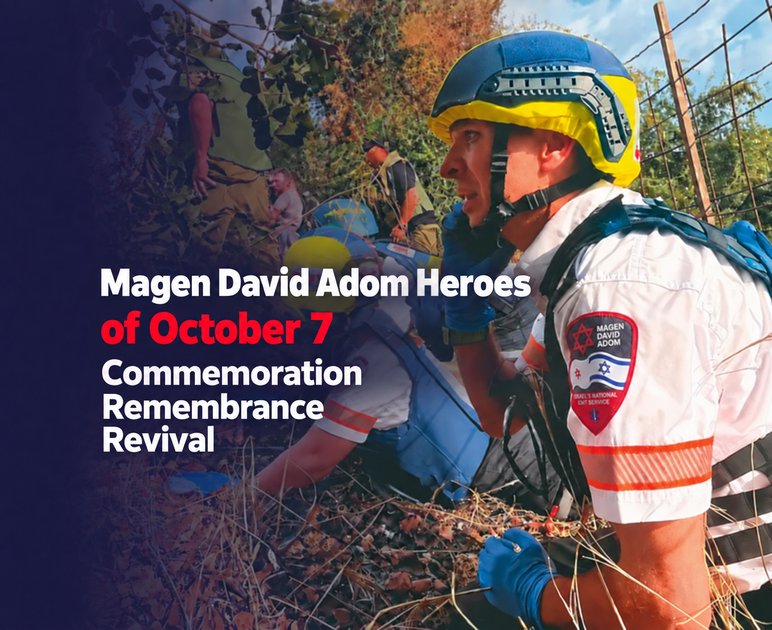
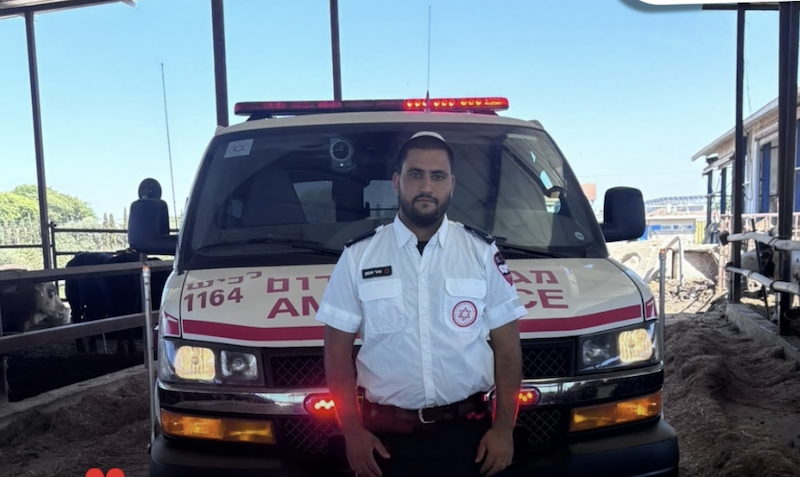
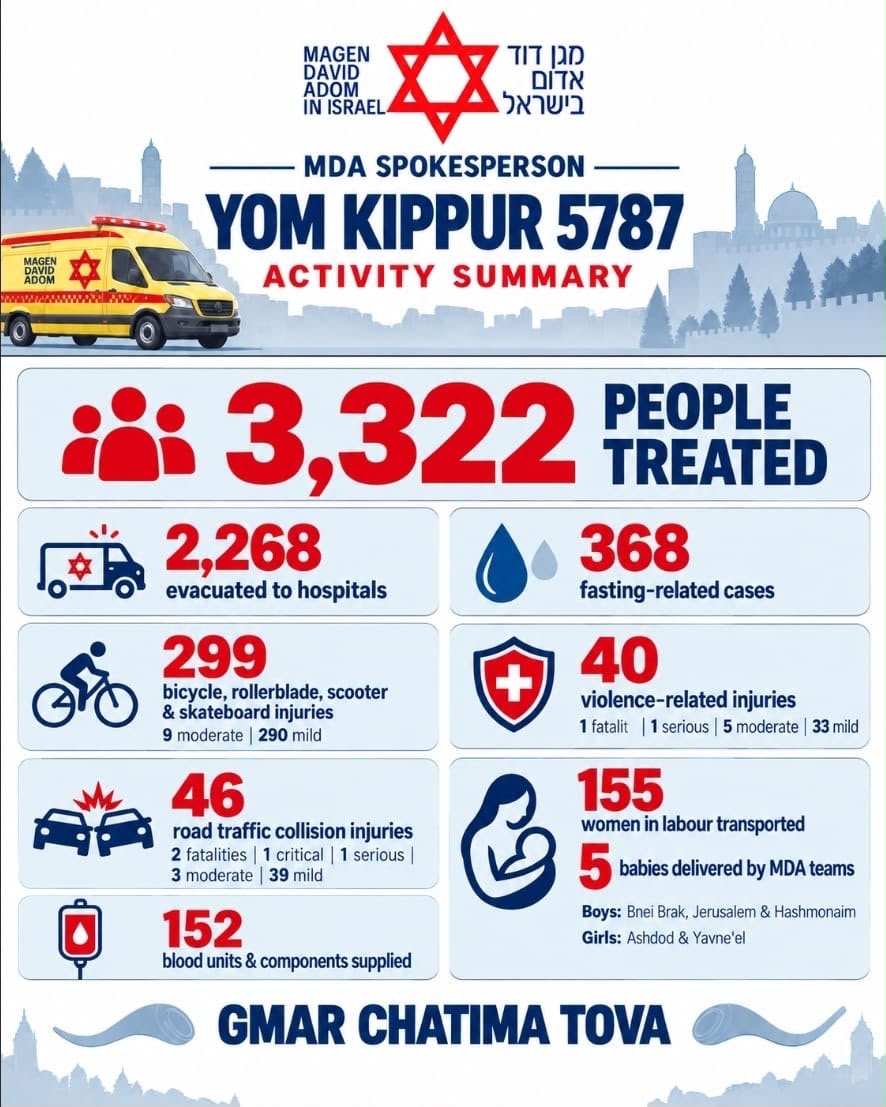
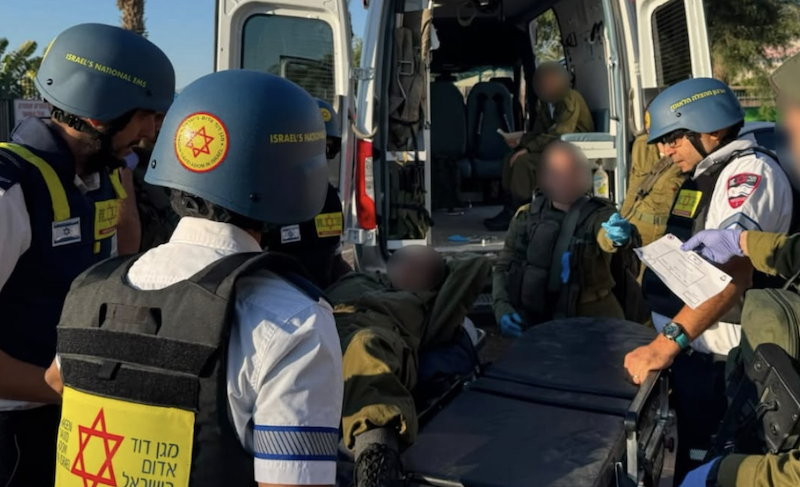
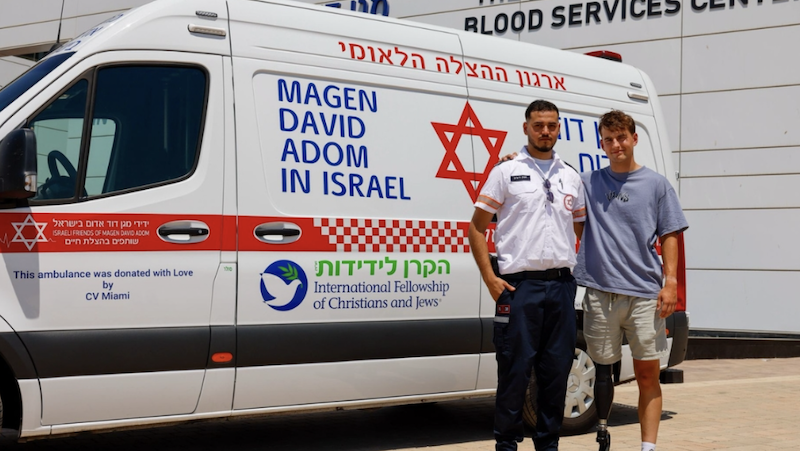
The Federation opened its office in Israel in 2000 and works with MDA in a number of key areas.