

MDA - National Blood Services
The Israeli National Blood Services is a division of the non-profit organization Magen David Adom (MDA), which is responsible by MDA Law (1950) for the collection, processing, testing and distribution of blood units and blood products throughout the country.
The center is located in new facility in Ramle since October 2023, and is able to process up to 500,000 blood units a year. The facility protected from conventional and non-conventional weapons and from earthquake.
The Israeli National Blood Services employ around 280 workers, as laboratory technicians, phlebotomists and administrative staff.
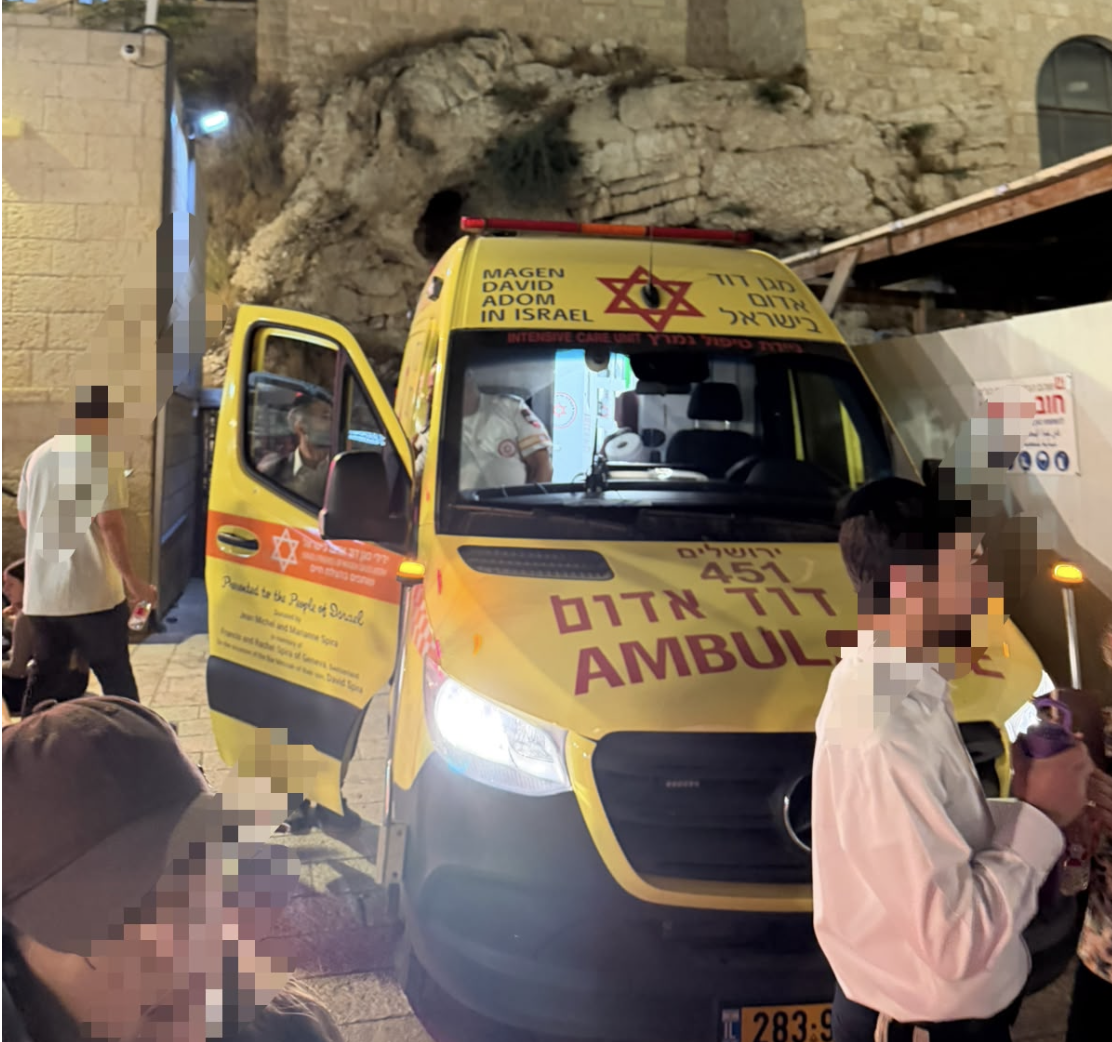
Over 270,000 blood units are collected yearly from non-paid volunteers (around 1,200 daily) 96% of which are collected using MDA Mobil Units in schools, factories, community centers and army camps. The other 4% are collected in fixed sites: donor rooms at MDA first-aid stations located all over the country. Blood units are collected by professional, skilled phlebotomists and the equipment for donations is disposable and sterile.
Around 75% of Israeli blood donors are young people aged 17-40. There is no upper age limit for blood donors if the person is healthy and fits the criteria for blood donations (see MDA internet site for details). More than 75% of donors are male born in Israel.
The special successful project of Blood Services supported by Blood Donors Organization is recruitment of young blood donors from high school 12th grade students. This project increase awareness of risky behaviors that can jeopardize blood donations among young people and increase blood units safety.
All the volunteer blood donors are offered the MDA-Blood-Insurance program, which grants further credit of blood for the donor and his/her immediate family members for 1 year following the donation. This credit saves the donors the need to bring "replacement-units" in case they would need transfusion.
Blood units collected each day are processed into components such as packed red blood cells, fresh frozen plasma, cryoprecipitate and platelets. Some blood units are leucoreduced by filtration for removal of white blood cells (as needed).
All donations are tested for blood type (A,B,O, AB, Rh) and for the detection of irregular antibodies to red cell antigens. In addition all units are tested to identify transfusion - transmitted diseases such as Hepatitis B, C, HIV, HTLV and Syphilis. Since January 2008 all donated blood units are tested by molecular method (NAT), which improves safety of transfused blood. NAT used for the detection of Hepatitis B, C, HIV as well as West Nile Virus (WNV) that is more prevalent in Israel during summer and autumn and tested every year from June 1st till November 30th.
If the infected person or carrier of viral disease detected, we will inform the donor and the blood unit will be discarded.
Around 250,000 blood units and another 250,000 units of the different components are supplied to all the hospitals in Israel, upon their request.
In addition, some 40,000 liters of surplus plasma are supplied to MDA Plasma Fractionation Centers, for the preparation of albumin, gamma-globulin and other products.
Additional tasks of MDA Blood Services include:
a) A Hemapheresis service which collects platelets concentrates and plasma donations from single donors.
This unit is also in charge of performing therapeutic plasma exchanges, either "in- house", or in the different hospitals, using mobile pheresis machines.
b) The Israeli National Blood Group Reference Laboratory - a reference laboratory which supports the hospitals' blood-banks, trying to solve and diagnose cases of patients with unidentified antibodies or rare blood subtypes and to provide them with blood units from the regular or frozen-units inventar.
c) Reference laboratory for further identification and diagnosis of viral liver diseases.
d) The national public cord blood bank, responsible for the collection, testing and storage of stem cell units for the benefit of patients who need them for transplantation. Around 12,000 cord blood units are stored in cord blood bank for treatment of patients in Israel and abroad.
e) National Human Milk Bank that was established in 2018 as a department of National Blood Services in collaboration with Ministry of Health. The volunteer human milk donors are women who are currently breastfeeding their babies. Women should undergo tests to ensure the safety of donated milk. The milk is collected, pasteurized and frozen in Human Milk Bank in Ramle and provided to the hospitals for feeding of premature infants. We are providing some 160 liters of human milk every month.
e) The senior staff of the Blood Services is involved in the following activities:
1) Teaching transfusion medicine in the faculties of Medicine in Hebrew and Ben Gurion universities.
2) Different committees, consulting the Ministry of Health in issues concerning blood safety, transfusion-medicine policy, etc.
3) Professional international consultations on blood services organization and operation
f) MDA Blood Services research and development laboratories are involved in projects such as the implementation of novel methods in transfusion medicine.