


Adult Volunteers (Aged 18 years old +)
The course is designed for training adult volunteers. It is similar to the youth training course, with the addition of procedures which youth volunteers are not allowed to perform and topics that are unsuitable for them due to their age, such as inserting intravenous fluids, hazardous substances and infectious diseases.
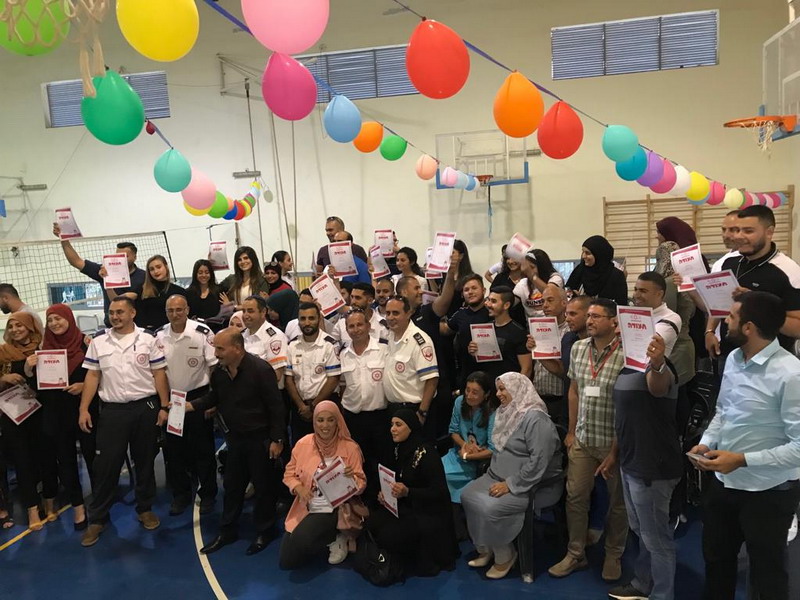
At the end of the course, there are both theoretical and practical final exams. To pass the course successfully, the final grade must be at least 80.
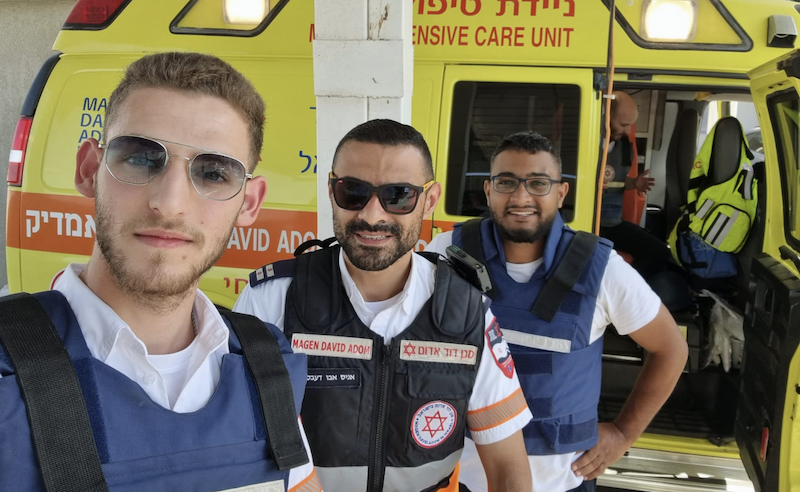
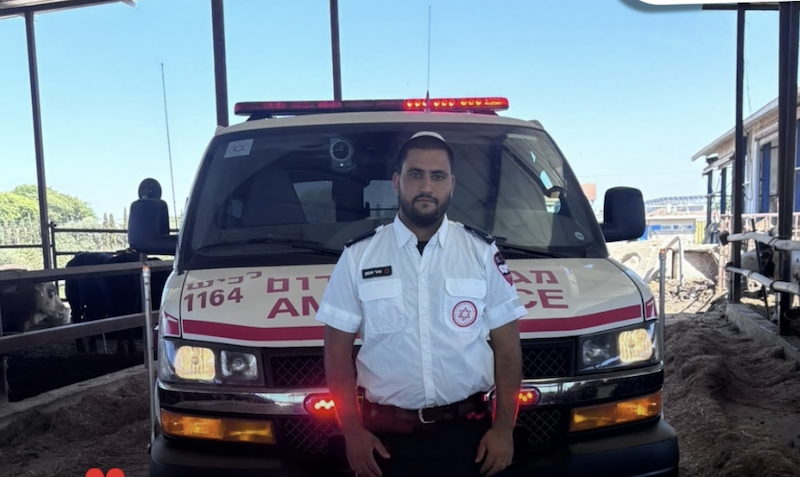
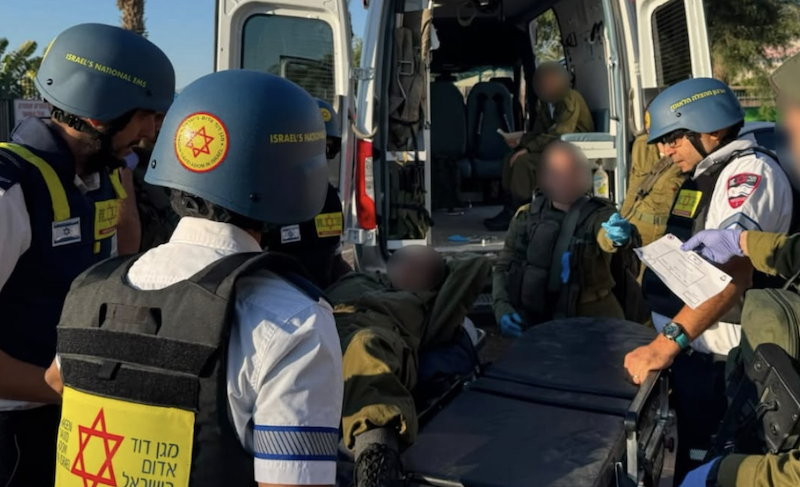
Those who complete the course successfully are integrated in the ambulance fleet of the station. At first, they are teamed up with a tutor and later, after having gained practical experience and self-confidence, the volunteers accompany the ambulance driver in his sacred work of saving lives, helping to treat a sick or injured individual at the scene and by placing the patient in the ambulance bed and supervising his/her condition during the drive to the hospital.
Emergency Medicine Aid / Ambulance Driver Course (over the age of 21)
The ambulance driver is the team leader. He/she is responsible for managing all team members, instructing them and observing their activities. The ambulance driver must be thoroughly skilled in both first aid theory and work procedures. Therefore, the training of an ambulance driver is the longest and most demanding. The course is divided into two stages, separated by an intermediate phase.
Stage A:
As with other courses, this course also covers various topics in the field of emergency medicine such as basic CPR and CPR using equipment, identifying patient emergencies and treating them, cardiovascular diseases, treatment for casualties of traumas: motor vehicle accidents, falls from height, the principles of handling a mass casualty incident, knowledge of ambulance equipment and work practices, hazardous substances and infectious diseases. Additionally, unlike other courses, Gynaecology & Obstetrics are included. Besides theoretical knowledge, this course provides important skills of ambulance functionality such as performing CPR using an artificial respirator, operating an oxygen tank, taking blood pressure measurements, assisting a woman in childbirth, inserting an intravenous infusion and using the ambulance bed and chair.
At the end of the course, the students have to pass the final exam comprised of a theoretical part and a practical part. To pass the course successfully, the final grade must be at least 80.
Intermediate Phase:
Those who successfully complete Stage A perform weekly shifts on an ambulance, accompanied by a tutor. This part of the course is designed for the trainees to gain practical experience and self-confidence.
Stage B: Emergency Driving (over the age of 21)
Driving in the wrong direction of traffic with the red lights flashing and the sound of siren might sound like fun, but in practice, it is frightening and dangerous. Ambulance drivers bear a responsibility, not only to the life of the patient in the ambulance, but also to the lives of the ambulance team and of other people who are using the same road. This requires ambulance drivers to be professional drivers, proficient in traffic regulations and able to drive under stressful conditions.This part of the course is designed to ensure that the trainees are capable of doing that. They take lessons in traffic law, technicalities of the vehicle and then they undergo a practical test in driving an ambulance.
Stage B may take place on the same time with the Intermediate Phase. However, one cannot complete the Ambulance Driver Course before completing the practical Intermediate Phase.
How much does it cost?
The price of all basic volunteer courses is NIS 180. This price includes membership fees (until December of that same year, unless payment was made in October or afterwards), the First Aid for Saving Life book and the rehearsing and memorizing workbook. For those who complete the course successfully, the price also includes a uniform.
Please Note:
MDA arranges first aid courses for the general public, through the National Training Department. These courses cost hundreds and sometimes thousands of NIS, depending on the specific course. These courses are NOT designed for volunteering candidates. Our volunteers "pay back" the high cost of their course by actual volunteering.
Signing up for volunteer courses can be done on our website or through the functionaries in charge of volunteers in MDA regions and branches. Sometimes it takes a while before we can form a new course group, but it is certainly worth waiting for…
I have completed the course! I am now a MDA volunteer. What happens next?
MDA volunteers have a structured promotion scheme. There is always room for advancement and it is never boring. Information about the various options, the criteria and the courses can be obtained from the MDA functionaries in charge of volunteers throughout Israel.
Good luck!